
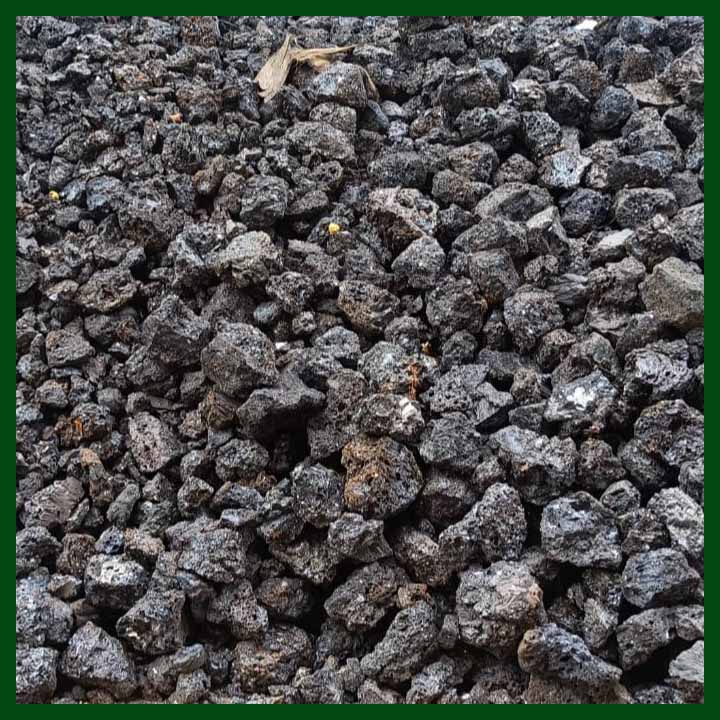
Cinder – ঘেঁষ – 1 kg
৳ 150.00
Description
Cinder – ঘেঁষ
Price: 150 Taka per Kg
Cinder (ঘেঁষ) is a porous, lightweight material formed from partially burned coal, volcanic lava or smelter deposits. In many places, especially in South Asia, it refers to burned coal residue or furnace slag used as a cheap horticultural material. Because of its porous structure, drainage ability, and aeration properties, it has several uses in agriculture and gardening.
Soil Aeration Material in Potting Mix:
Use: Cinder is mixed with soil to improve aeration and drainage in pots or raised beds.
Typical Mix Ratio
- 40% soil
- 30% compost
- 20–30% cinder
Advantages
- Improves oxygen availability to roots
- Prevents soil compaction
- Reduces root rot risk
- Lightweight for rooftop gardening
Disadvantages
- Contains almost no nutrients
- Dust may affect soil pH slightly (depending on source)
- If coal-based, may contain impurities
Drainage Layer in Pots and Containers:
Use: Placed at the bottom of pots to improve drainage and prevent waterlogging.
Advantages
- Keeps roots from sitting in water
- Prevents drainage holes from clogging
- Reusable material
Disadvantages
- Too thick a layer reduces root space
- Dust may clog drainage if not washed
Substitute for Perlite or Pumice:
Use: Acts as a low-cost alternative to perlite, pumice, or lava rock in potting mixes.
Advantages
- Much cheaper than imported materials
- Long-lasting in soil
Disadvantages
- Heavier than perlite
- Particle size may be inconsistent
Rooting Medium for Cuttings:
Use: Used alone or mixed with sand for plant propagation and cuttings.
Advantages
- Excellent aeration for root development
- Reduces fungal disease in propagation trays
- Sterile if properly burned
Disadvantages
- Needs frequent watering
- No nutrients for growing plants
Hydroponic / Semi-Hydroponic Growing Medium:
Use: Cinder can be used similarly to expanded clay pellets or lava rock in hydroponics.
Advantages
- Porous structure retains some moisture
- Good oxygen supply for roots
- Durable and reusable
Disadvantages
- Needs thorough washing before use
- Some types may release minerals
Mulching Material:
Use: Spread on soil surface around plants.
Advantages
- Reduces soil evaporation
- Prevents weed growth
- Improves soil temperature stability
Disadvantages
- Dark color may heat soil excessively in hot climates
- Not suitable for delicate seedlings
Seed Germination Medium:
Use: Fine cinder can be mixed with cocopeat or sand for seed starting.
Advantages
- Improves drainage
- Prevents damping-off disease
- Creates loose germination media
Disadvantages
- Alone it cannot hold enough nutrients
- Dust can affect tiny seeds
Pathway / Garden Walkway Material:
Use: Used to create garden paths or walking surfaces.
Advantages
- Good drainage during rain
- Non-slippery surface
- Cheap landscaping material
Disadvantages
- Dusty in dry conditions
- May scatter outside pathway
Rooftop Gardening Weight Reduction:
Use: Mixed with soil to reduce total weight of rooftop garden beds.
Advantages
- Lighter than pure soil
- Improves drainage in rooftop containers
- Low-cost alternative to lightweight aggregates
Disadvantages
- Still heavier than perlite or vermiculite
- Must be washed to remove dust
Soil Amendment for Clay Soil:
Use: Mixed into heavy clay soil to break compaction.
Advantages
- Improves drainage
- Enhances root penetration
- Reduces soil crusting
Disadvantages
- Requires large quantity
- Does not add fertility
Advantages of Using Cinder in Gardening:
- Less expensive and widely available
- Excellent drainage and aeration
- Long-lasting (does not decompose quickly)
- Reusable after washing
- Helps prevent root rot
Disadvantages of Cinder
- No nutrients for plants
- Quality varies depending on source
- Coal cinder may contain heavy metals or ash impurities
- Dust can be harmful if inhaled
- Sometimes sharp edges can damage delicate roots
Best Practices Before Using Cinder:
- Wash thoroughly to remove dust and ash.
- Sieve to remove very fine particles.
- Use particles 5–15 mm size for potting mixes.
- Mix with organic matter (compost, cocopeat) for better plant growth.
For rooftop vegetable gardening in Dhaka, cinder works very well when mixed with:
- Cocopeat
- Compost
- Garden soil
This combination creates a lightweight, well-drained growing medium.
#35T #Cinder #ঘেঁষ #metal #slag #gardening #plants #bonsai #cactus #succulent #houseplants #media #rose #CinderStone #CinderMix #CinderForPlants #CinderMedia #CinderSoil #CinderDrainage #CinderBase #CinderPottingMix #CinderForGardening #CinderSoilMix #CinderUses #CinderInHorticulture #CinderGrowMedia #CinderForSucculents #CinderForRoses #CinderAlternative #CinderInBangladesh #CinderGardening #CinderLove #supplier #distributor #wholeseller #bulk #buy #purchase #order #online #offline #store #shop #physical #outlet #office #mgbd #mygardenbd #mygarden #my #garden #bd #price #cost #of #near #me #in #dhaka #bangladesh #ঘেঁষ #ঘেঁষমাটি #ঘেঁষপটিংমিক্স #ঘেঁষসার #ঘেঁষব্যবহার #ঘেঁষগার্ডেনিং #ঘেঁষচাষ #ঘেঁষবাংলাদেশ #PottingMix #SoilMix #SucculentMix #OrganicMedia #DrainageLayer #PlantMedia #GrowMedia #ContainerGardening #UrbanGardening #BangladeshGardening #SoilAmendment #SoilImprovement #GardeningTips #GardeningInBangladesh #Ghes #GhesPottingMix #GhesForPlants #GhesForGardening #GhesSoil #GhesMix #GhesMedia #GhesUse #GhesDrainage #GhesBase #GhesInBangladesh
Additional information
| Weight | 1 kg |
|---|
Only logged in customers who have purchased this product may leave a review.
Related products
-

-Epsom Salt – MGSS3001
Price range: ৳ 75.00 through ৳ 1,950.00Select options This product has multiple variants. The options may be chosen on the product page -

-

-


-Horn Meal – MGSS3024
Price range: ৳ 80.00 through ৳ 140.00Select options This product has multiple variants. The options may be chosen on the product page
Reviews
There are no reviews yet.